Optimal Timing for Water Treatments
Water treatments are essential for maintaining water quality and ensuring the safety of water supplies. The timing of treatments can significantly impact their effectiveness and longevity. Proper scheduling helps prevent issues such as corrosion, scale buildup, and microbial growth, which can affect water systems and appliances.
Water treatments are often most effective when scheduled before seasonal temperature changes, such as spring and fall, to prevent buildup and microbial growth.
High usage periods may require more frequent treatments to maintain water quality and system efficiency.
Transitions in water source or quality should prompt treatment adjustments to ensure optimal water conditions.
Follow local regulations and recommendations for water treatment timing to ensure compliance and safety.
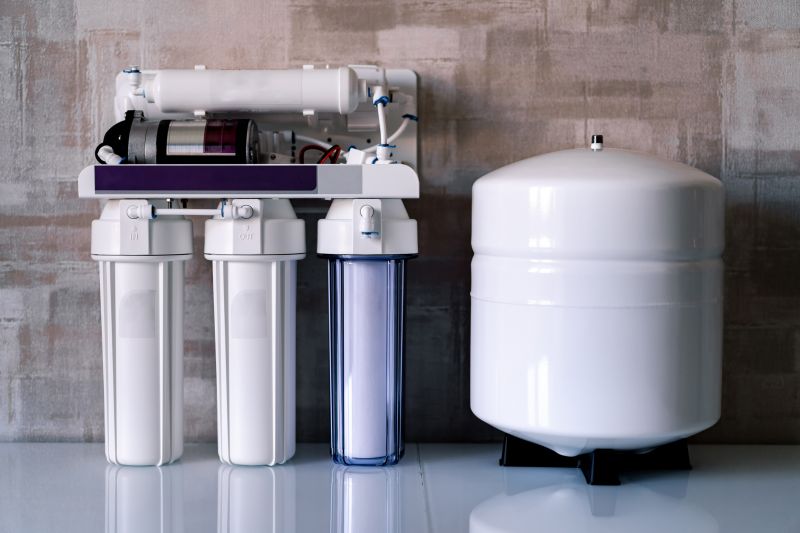
Image depicting various water treatment systems such as filters and softeners.
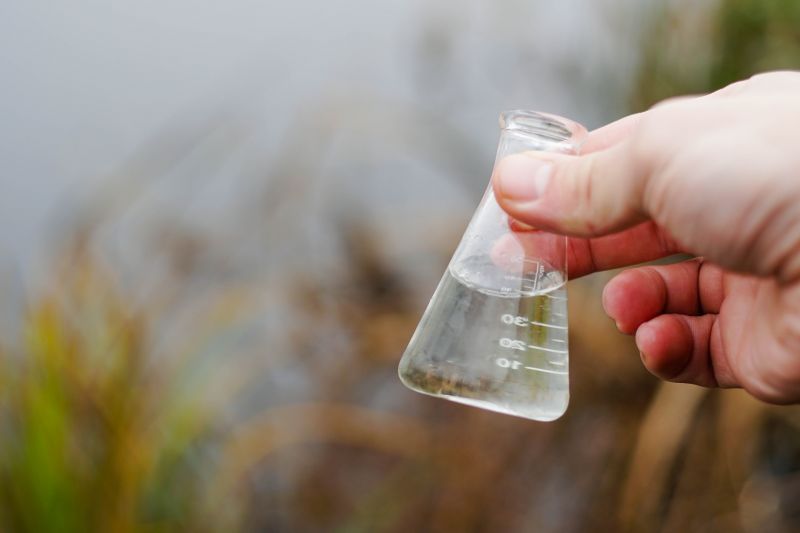
Image showing water testing kits used to assess water quality before treatment.
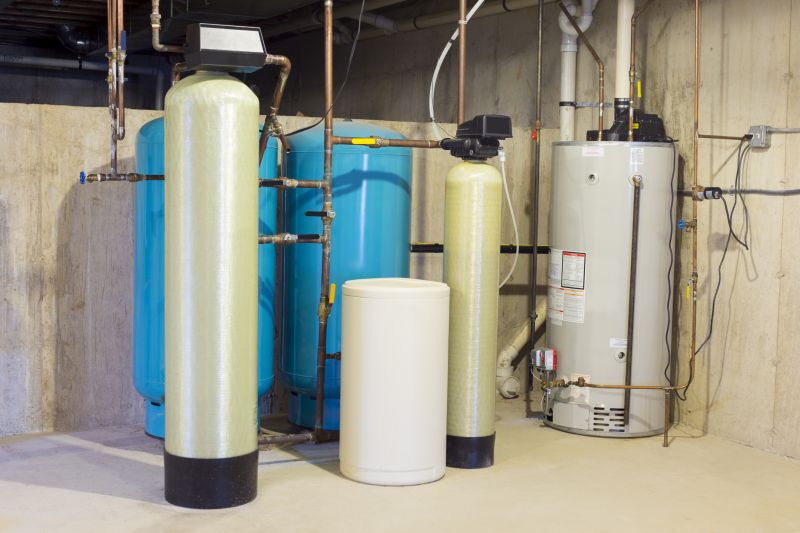
Image illustrating the process of water treatment in a facility.
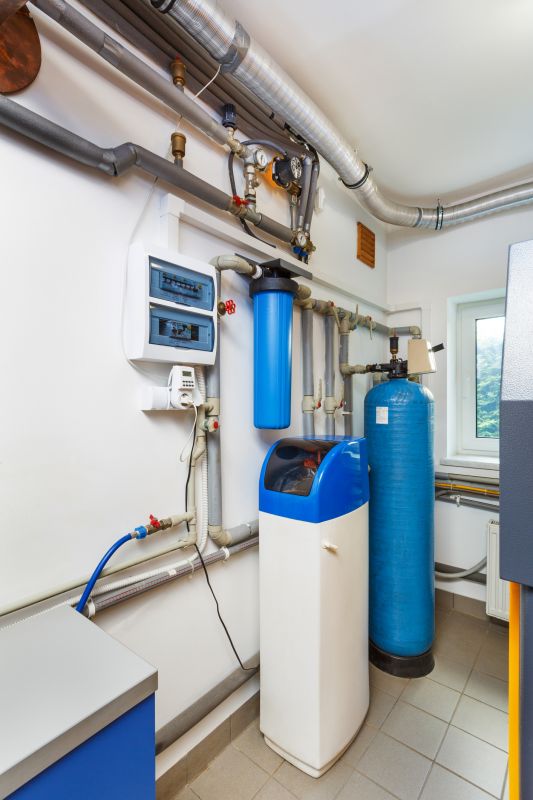
Ways to make Water Treatments work in tight or awkward layouts.
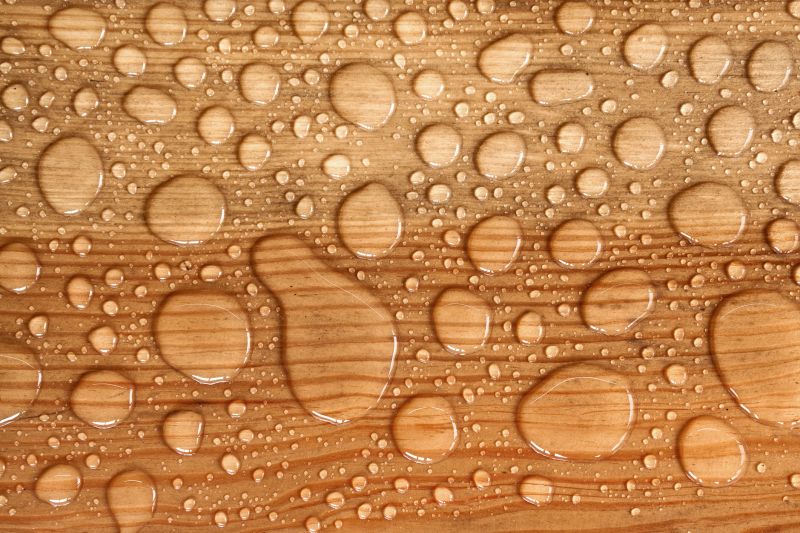
Popular materials for Water Treatments and why they hold up over time.
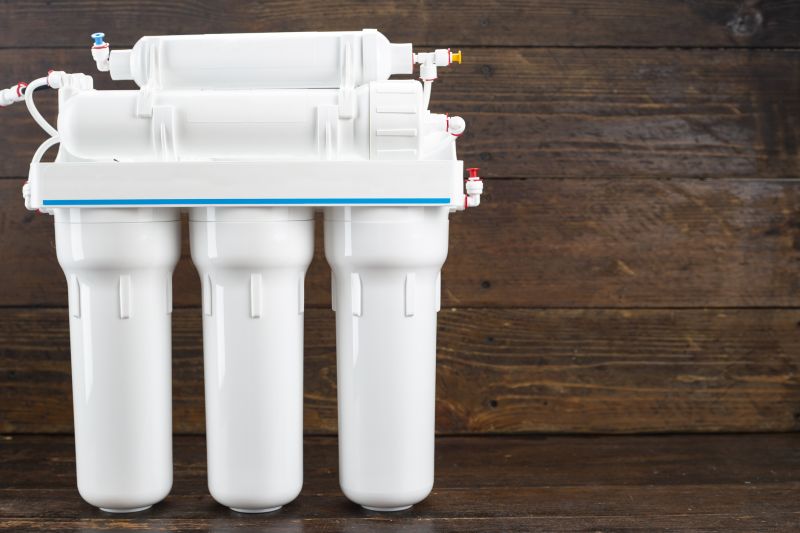
Simple add-ons that improve Water Treatments without blowing the budget.
| Timing Aspect | Details |
|---|---|
| Spring | Prepare water systems for increased usage and prevent microbial growth. |
| Fall | Perform treatments before cold weather to prevent pipe freezing and scaling. |
| High Usage Periods | Schedule treatments during peak consumption to maintain water quality. |
| Post-Source Change | Immediately treat water after switching sources or detecting quality issues. |
| Routine Maintenance | Coordinate with regular system checks for optimal performance. |
| Regulatory Compliance | Follow local guidelines for treatment timing to ensure safety. |
Water treatments are critical for maintaining water quality across residential, commercial, and industrial systems. They help remove contaminants, control scale and corrosion, and ensure safe drinking water. Proper timing maximizes the benefits of treatments and extends the lifespan of water system components.
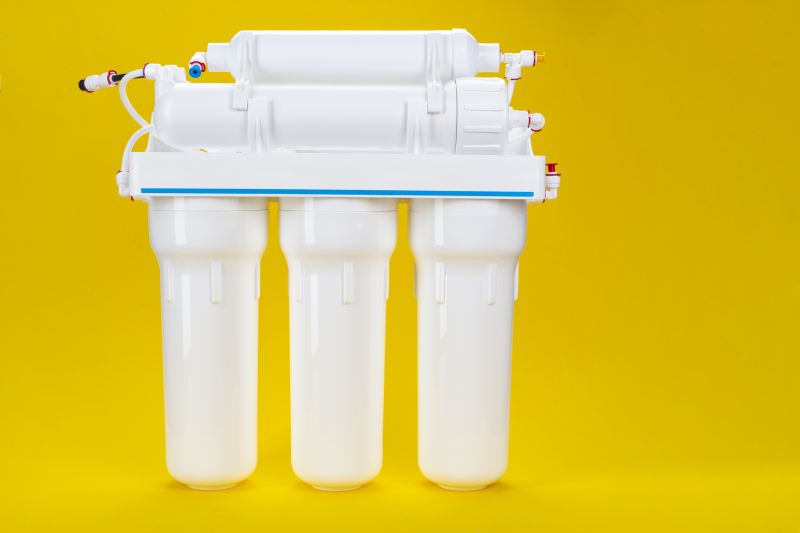
Image of clean, filtered water pouring into a glass.
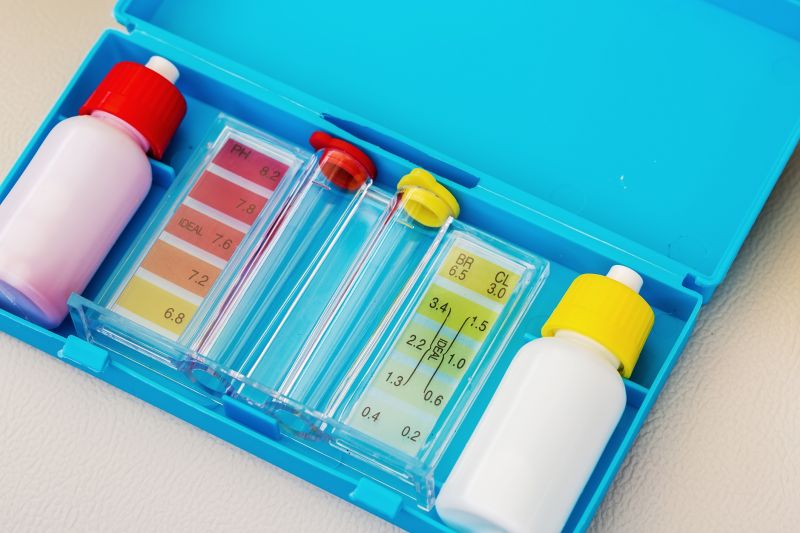
Image of a lab setup for water quality analysis.
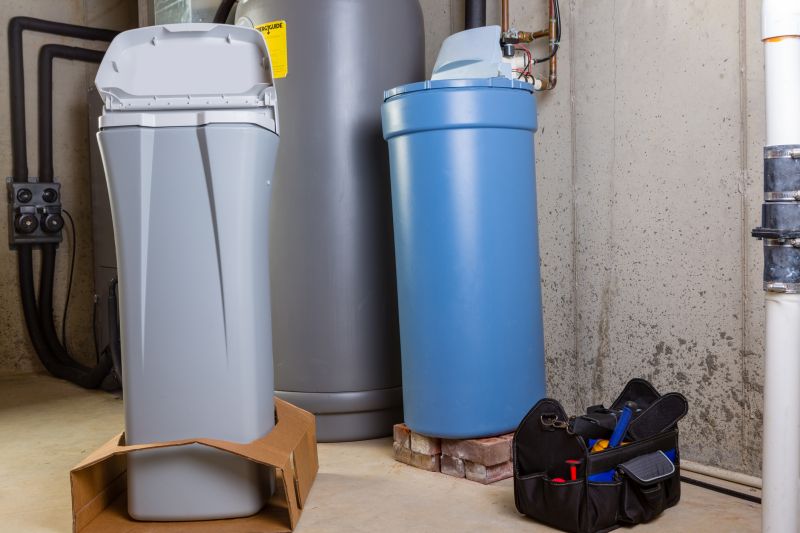
Image showing water softener units installed in a home.
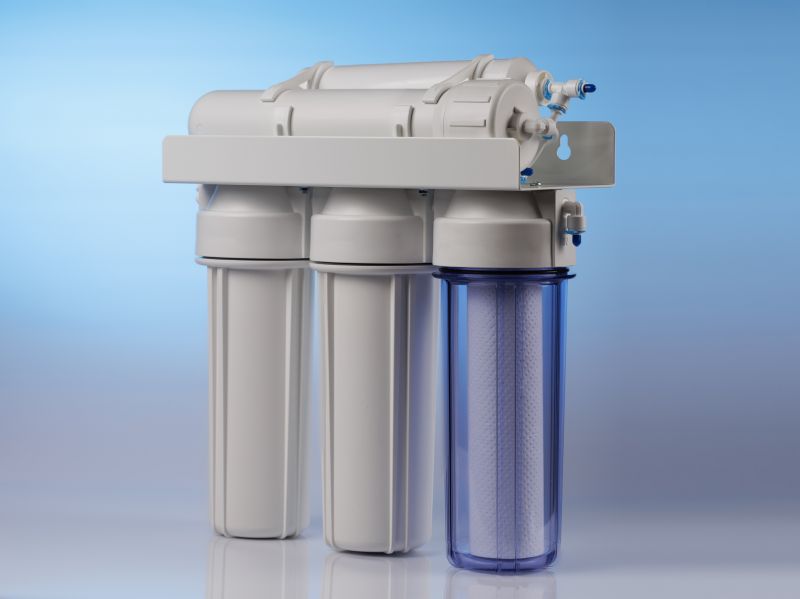
Image depicting disinfection systems in operation.
Understanding the optimal timing for water treatments ensures water systems operate efficiently and safely. Regular assessments and adherence to recommended schedules can help prevent costly repairs and health issues. For those interested in scheduling water treatments or seeking more information, filling out the contact form is encouraged.